
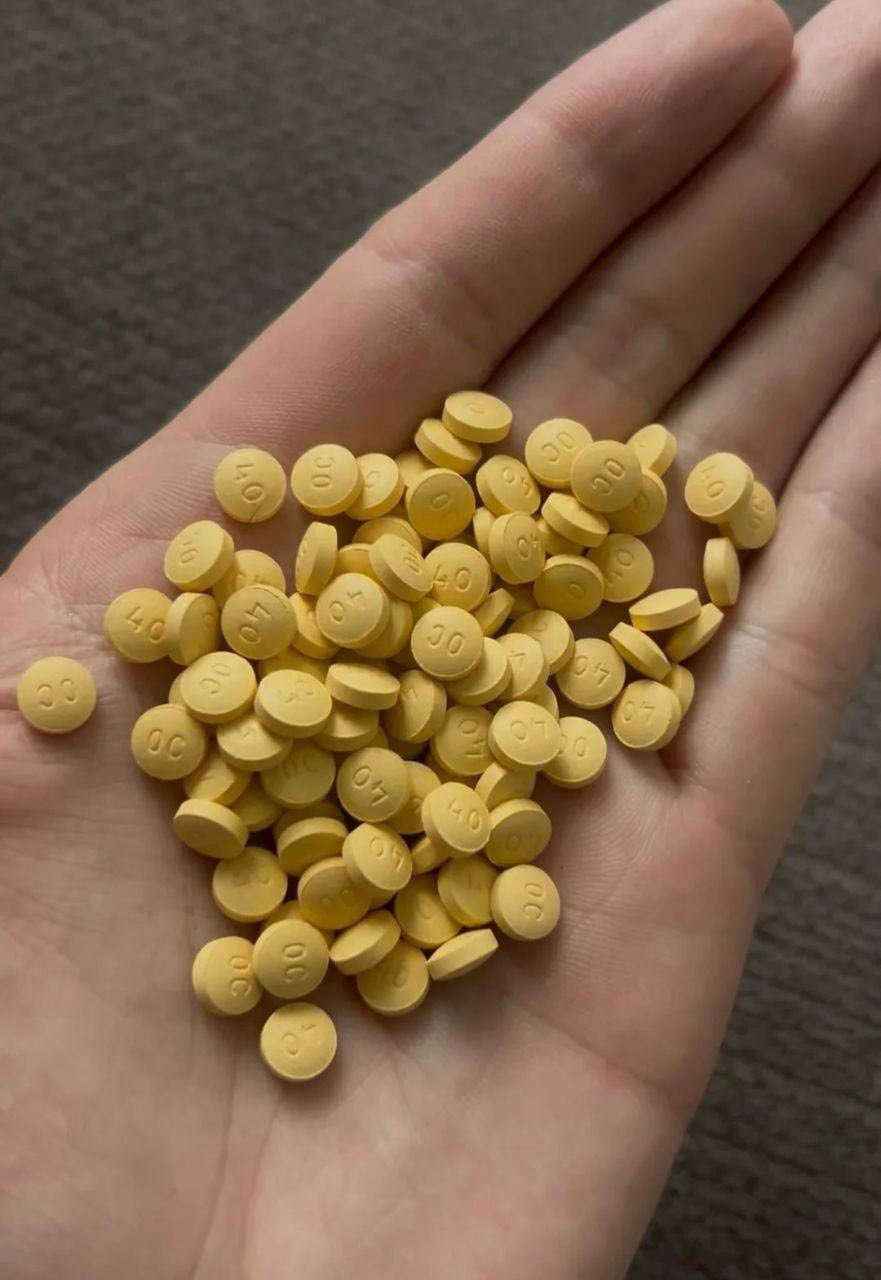
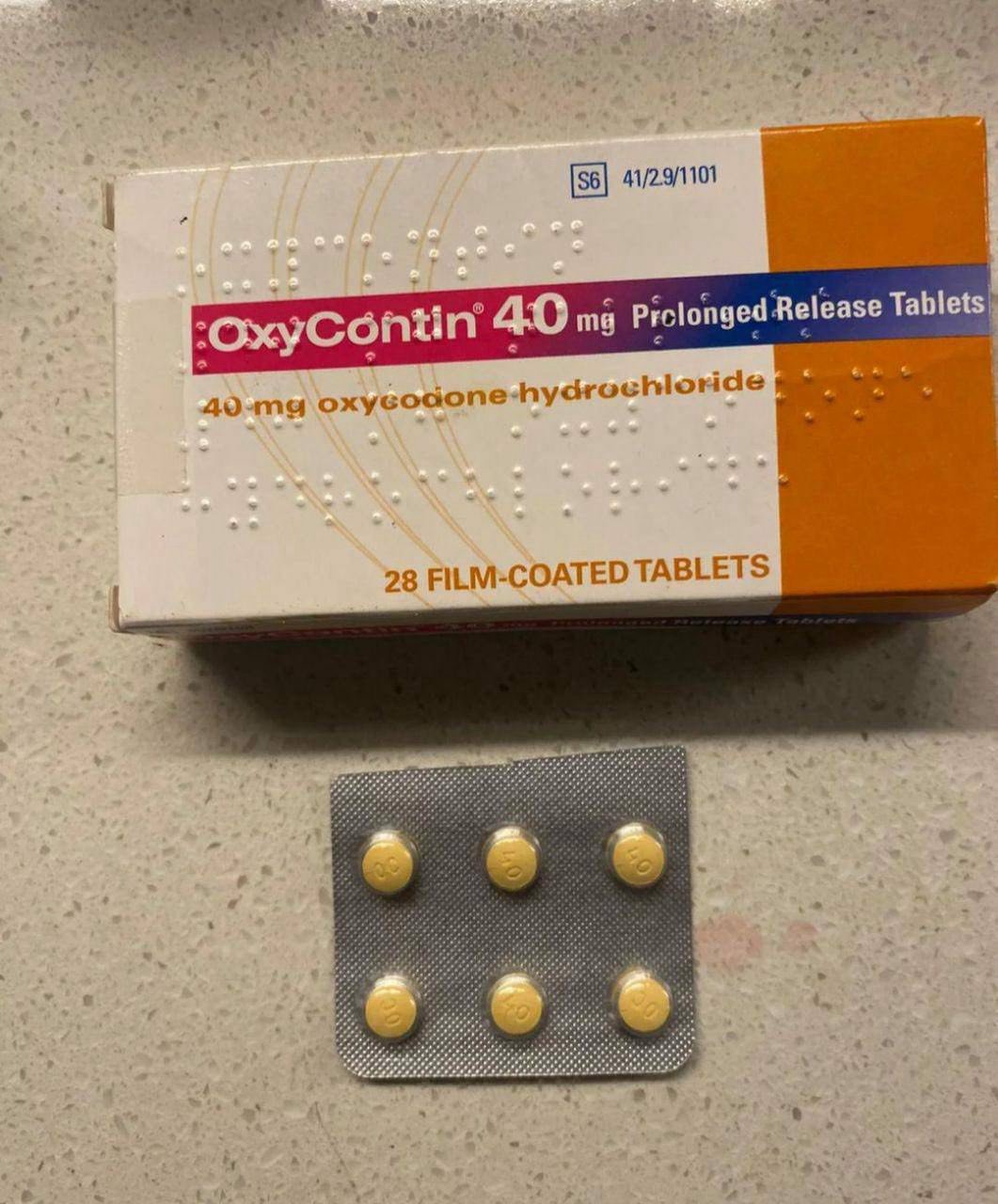

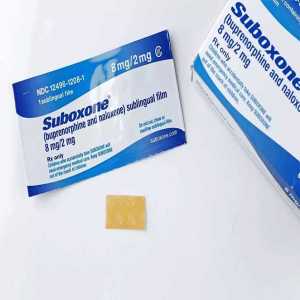
OxyContin 40mg OC 40 Pill Information Page
Overview
Product name OxyContin 40mg OC 40 Pill
Type Controlled‑release oxycodone hydrochloride; opioid analgesic
Primary use Management of moderate to severe chronic pain under medical supervision
This page provides a comprehensive, safety‑focused profile of the OxyContin 40mg (OC 40) pill for patients, caregivers, and healthcare professionals visiting Tegrity Pharma. It is designed to help users identify the pill, understand its clinical role, recognize risks and side effects, and learn safe handling and disposal practices. All content is informational and intended to support conversations with licensed prescribers and pharmacists.
—
Quick Identification Guide
Imprint OC 40
Color White
Shape Round tablet
Strength 40 mg controlled‑release oxycodone
Why identification matters
• Confirm authenticity before taking any medication.
• Differentiate strengths to avoid accidental overdose.
• Detect counterfeit pills that may contain unknown or dangerous substances.
How to verify
• Compare the pill’s imprint, color, and shape with reliable pill‑identification resources.
• Consult a licensed pharmacist for verification.
• If the pill differs from what was prescribed, do not take it and seek professional advice immediately.
—
Clinical Profile and Intended Use
Mechanism of action
Oxycodone is an opioid that binds to mu‑opioid receptors in the central nervous system to reduce the perception of pain. The controlled‑release formulation is designed to release medication gradually for sustained analgesia.
Indications
• Chronic pain that requires continuous, around‑the‑clock opioid therapy.
• Severe pain where alternative treatments are inadequate.
• Cases where long‑acting pain control is clinically appropriate and prescribed by a physician.
Dosing considerations
• Prescribers tailor dosing to individual needs, medical history, and opioid tolerance.
• Controlled‑release tablets are not intended for as‑needed, intermittent pain relief.
• Altering the tablet (crushing, chewing, dissolving) defeats the controlled‑release mechanism and increases overdose risk.
—
Safety Profile and Side Effects
Common side effects
• Drowsiness and sedation
• Constipation and gastrointestinal discomfort
• Nausea and dizziness
Serious risks
• Respiratory depression, especially at high doses or when combined with alcohol or sedatives
• Physical dependence and addiction potential with prolonged use
• Overdose, which can be fatal
Risk mitigation
• Use only as prescribed by a licensed clinician.
• Avoid alcohol and other central nervous system depressants while taking opioids.
• Keep an updated medication list and inform all healthcare providers about opioid use.
• Consider naloxone availability and education for patients at higher risk of overdose.
—
Safe Use Guidelines
Follow prescriber instructions exactly
• Take the tablet whole; do not crush, chew, or break.
• Maintain scheduled dosing intervals as directed.
Storage and security
• Store in a locked container out of reach of children and pets.
• Avoid leaving medication in shared or visible areas.
Disposal
• Use authorized medication take‑back programs when available.
• Follow local pharmacy guidance for safe disposal if take‑back is not accessible.
When to seek help
• Signs of overdose: slowed or stopped breathing, extreme drowsiness, inability to wake, pinpoint pupils.
• Allergic reactions: rash, swelling, difficulty breathing.
• Any unexpected or severe side effects should prompt immediate medical attention.
—
Interactions and Contraindications
Common interactions
• Benzodiazepines and other sedatives increase risk of respiratory depression.
• Alcohol potentiates opioid effects and increases overdose risk.
• Certain antidepressants and antipsychotics may interact and require monitoring.
Contraindications
• Known hypersensitivity to oxycodone or formulation components.
• Severe respiratory depression or acute/severe bronchial asthma in unmonitored settings.
• Use with caution in patients with head injury, increased intracranial pressure, or severe hepatic impairment.
—
Clinical Monitoring and Tapering
Monitoring
• Regular follow‑up visits to assess pain control, function, and signs of misuse.
• Periodic review of concomitant medications and overall risk profile.
Tapering and discontinuation
• Gradual dose reduction under medical supervision is recommended to minimize withdrawal symptoms.
• Abrupt cessation can cause significant withdrawal and should be avoided unless medically necessary.
—
Alternatives and Complementary Strategies
Non‑opioid pharmacologic options
• NSAIDs (ibuprofen, naproxen) for inflammatory pain.
• Acetaminophen for mild to moderate pain.
• Adjuvant agents such as certain antidepressants or anticonvulsants for neuropathic pain.
Non‑pharmacologic approaches
• Physical therapy and structured exercise programs.
• Cognitive behavioral therapy and pain coping strategies.
• Interventional procedures where appropriate (nerve blocks, injections).
• Lifestyle modifications including sleep hygiene, nutrition, and stress management.
Multimodal pain management
Combining pharmacologic and non‑pharmacologic strategies often reduces opioid requirements and improves functional outcomes.
—
Pill Identification Tools and Resources
How Tegrity Pharma supports safe identification
• Detailed pill descriptions and imagery (informational only) to help users recognize common imprints and tablet features.
• Pharmacist consultation resources to verify prescriptions and answer questions.
• Educational checklists for patients and caregivers on what to check when receiving medication.
Practical steps for patients
• Keep the original prescription bottle and label for reference.
• Photograph the pill and consult a pharmacist if uncertain.
• Report suspicious or unexpected pills to a healthcare professional immediately.
—
Frequently Asked Questions
What does OC 40 mean on a pill
OC 40 is an imprint used to identify a 40 mg controlled‑release oxycodone tablet. Imprints, color, and shape together help confirm the pill’s identity.
Is OxyContin 40mg the same as oxycodone immediate release
No. OxyContin is a brand name for a controlled‑release formulation of oxycodone intended for continuous pain control, while immediate‑release oxycodone is used for short‑term or breakthrough pain.
How long does OxyContin 40mg last
Controlled‑release oxycodone is typically formulated to provide analgesia for approximately 12 hours, but individual response varies.
Can I split or crush OC 40 tablets
No. Altering controlled‑release tablets can release the full dose at once, increasing the risk of overdose and serious harm.
What should I do if I miss a dose
Follow prescriber instructions. Generally, if a dose is missed and it is close to the next scheduled dose, skip the missed dose and resume the regular schedule. Do not double up doses.
—
Related Products and Informational Categories at Tegrity Pharma
Tegrity Pharma provides educational pages and informational overviews across a range of medication categories to help patients make informed decisions in consultation with clinicians. All references are informational and not an offer to sell controlled substances.
Over‑the‑counter pain relief
• Acetaminophen and NSAIDs: guidance on indications, dosing limits, and safety considerations.
Prescription pain management alternatives
• Immediate‑release oxycodone: clinical differences and appropriate uses.
• Hydrocodone combinations: indications and safety notes.
• Non‑opioid prescription options: certain antidepressants and anticonvulsants used for neuropathic pain.
Chronic disease medications
• Antihypertensives and diabetes medications: informational guides on adherence and interactions.
• Antibiotics: appropriate use and stewardship principles.
Supplements and supportive care
• Vitamins and minerals for general wellness.
• Topical analgesics and wound care products for localized pain and skin health.
Pharmacy services and tools
• Medication management checklists to support adherence and safety.
• Pill identification resources and pharmacist consultation pathways.
• Educational materials on safe storage, disposal, and recognizing counterfeit medications.
—
How to Use This Page Responsibly
This page is informational and is not a substitute for professional medical advice. Use it to:
• Recognize pill identifiers and understand clinical context.
• Prepare questions for your prescriber or pharmacist.
• Learn about safety practices and alternatives to long‑acting opioids.
If you have a prescription for OxyContin 40mg, discuss dosing, monitoring, and risk mitigation with your prescriber. If you suspect misuse, overdose, or an adverse reaction, seek emergency medical care immediately.
—
Patient Education Checklist
Before taking any opioid medication confirm the following:
• Prescription matches the medication label and pill imprint.
• You understand dosing schedule and what to do if a dose is missed.
• You have a plan for safe storage and disposal.
• You know the signs of overdose and when to seek help.
• You have discussed alternatives and a plan for tapering if long‑term use is anticipated.
—
Why Tegrity Pharma Provides This Information
Tegrity Pharma is committed to patient safety, education, and transparency. Our informational pages aim to:
• Reduce medication errors through clear pill identification guidance.
• Promote safe, informed conversations between patients and healthcare providers.
• Provide balanced information about risks, benefits, and alternatives to opioid therapy.
—
Legal and Safety Notice
This page is for informational purposes only and does not constitute medical advice, diagnosis, or treatment. Controlled substances like OxyContin are regulated and require a valid prescription and medical supervision. Tegrity Pharma encourages users to consult licensed healthcare professionals for personalized guidance.
Closing Summary
The OxyContin 40mg OC 40 pill is a potent, controlled‑release opioid intended for carefully selected patients under medical supervision. Recognizing the pill’s imprint and understanding its clinical role, risks, and safe handling are essential steps for patients and caregivers. Tegrity Pharma provides educational resources across related medication categories to support safe medication use and informed decision‑making.


Reviews
There are no reviews yet.