

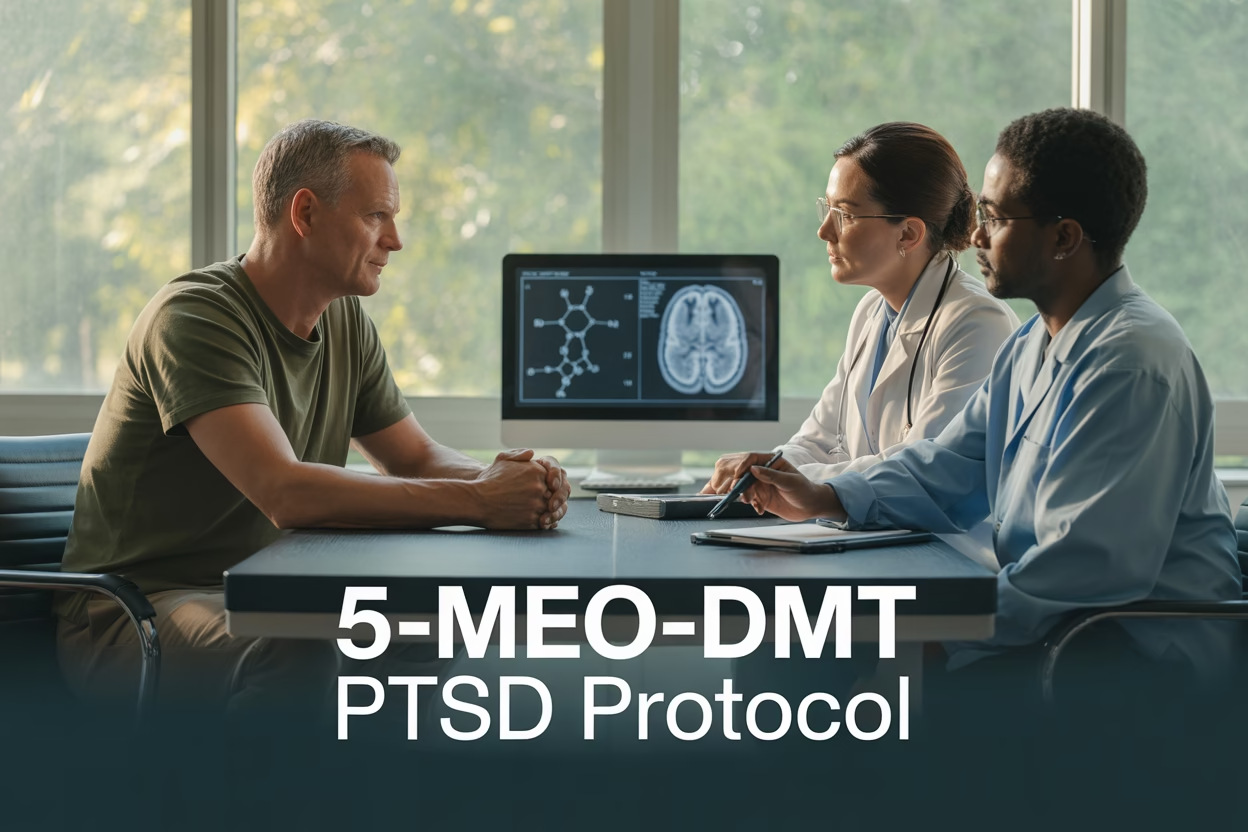
5-MeO-DMT for Treatment Resistant PTSD: Military Veteran Protocols
This comprehensive guide targets military veterans, their families, and mental health professionals who need evidence-based solutions for complex PTSD cases. You’ll explore how 5-methoxy-N,N-dimethyltryptamine works differently from traditional psychedelics, learn about specialized military veteran treatment protocols that show remarkable success rates, and understand the clinical research backing this revolutionary approach.
We’ll cover the unique challenges of treatment-resistant PTSD in military populations and why conventional methods sometimes fail. You’ll also dive into the specific 5-meo-dmt protocols designed for veterans, including dosing guidelines, safety considerations, and integration practices that maximize healing outcomes. Finally, we’ll examine real clinical research results and veteran success stories that demonstrate the transformative potential of this breakthrough therapy.
Whether you’re considering 5 meo dmt for your own healing journey or evaluating treatment options for patients, this guide provides the essential information you need to make informed decisions about this promising PTSD intervention.
Understanding Treatment-Resistant PTSD in Military Veterans

Defining Treatment Resistant PTSD and Its Prevalence Among Veterans
Your struggle with PTSD becomes treatment resistant when conventional therapies fail to provide meaningful relief after multiple attempts. This particularly challenging form of PTSD affects approximately 30-40% of military veterans seeking mental health treatment. You might find yourself cycling through different medications, therapy approaches, and treatment programs without experiencing significant improvement in your symptoms.
Veterans at Tegrity Pharma often report feeling hopeless after years of unsuccessful treatments. Treatment resistance typically develops when you’ve tried at least two evidence-based therapies for adequate duration without achieving clinical remission. Your symptoms remain severe and debilitating despite professional intervention.
The prevalence among veterans is staggeringly higher than civilian populations. Combat exposure creates unique neurological changes that traditional treatments struggle to address. Your brain’s trauma response becomes deeply embedded, requiring innovative approaches that go beyond conventional protocols.
Unique Trauma Profiles and Combat-Related Triggers
Your combat experiences create distinct trauma patterns that differ significantly from civilian PTSD. Military trauma often involves:
Repeated exposure to life-threatening situations
Moral injury from witnessing or participating in acts that conflict with personal values
Complex grief from losing battle buddies and comrades
Hypervigilance developed as survival mechanism in war zones
Your triggers might include specific sounds like helicopter rotors, crowded spaces resembling combat zones, or sudden movements that activate your threat detection system. These combat-specific triggers create persistent activation of your nervous system, making recovery particularly challenging.
The intensity and duration of military deployments compound your trauma exposure. Unlike single-incident civilian trauma, your experiences involved sustained periods of high-stress combat operations where survival depended on maintaining constant alertness.
Limitations of Conventional Therapies for Veteran Populations
Traditional therapeutic approaches often fall short for your military background because they weren’t designed for combat-specific trauma patterns. Standard cognitive behavioral therapy (CBT) and exposure therapy may feel inadequate when addressing the complex layers of military trauma.
Your experiences include elements that civilian-focused treatments don’t adequately address:
| Treatment Type | Common Limitations for Veterans |
|---|---|
| CBT | Doesn’t address moral injury components |
| EMDR | May not penetrate deeply embedded combat memories |
| Group therapy | Civilian groups lack understanding of military culture |
| Traditional counseling | Therapists often lack combat experience context |
Veterans frequently report feeling misunderstood by mental health providers who haven’t experienced military service. Your unique military culture, values, and experiences require specialized understanding that standard treatments rarely provide.
The structure and pace of conventional therapy may also conflict with your military mindset. You’re accustomed to direct action and rapid problem-solving, while traditional therapy progresses slowly with gradual improvements that may feel insufficient for your urgent needs.
Why Traditional Medications Often Fail for Complex Military Trauma
Your brain chemistry changes significantly during combat exposure, creating resistance to standard psychiatric medications. Conventional antidepressants and anti-anxiety medications often provide minimal relief because they don’t address the neurological complexity of combat trauma.
Military PTSD involves multiple brain systems simultaneously affected by trauma exposure. Your prefrontal cortex, amygdala, and hippocampus all show distinct changes that require comprehensive intervention rather than single target medications.
Traditional medications typically target individual neurotransmitter systems, but your combat trauma affects multiple pathways simultaneously. SSRIs and SNRIs may provide partial relief but rarely address the full spectrum of your symptoms.
Many veterans experience medication tolerance quickly, requiring increasing doses that bring unwanted side effects without proportional benefits. Your body’s stress response system, hardened by combat exposure, often resists the subtle effects of conventional psychiatric drugs.
This medication resistance has led researchers and treatment centers like those partnering with Tegrity Pharma to explore innovative approaches. 5 MeO DMT represents a breakthrough alternative that works through different mechanisms than traditional pharmaceuticals, offering hope for treatment-resistant cases where conventional options have repeatedly failed.
Your treatment resistance isn’t a personal failure but rather evidence that your trauma requires specialized approaches designed specifically for combat-related PTSD. Revolutionary treatments targeting the root neurological changes caused by military trauma offer new possibilities for recovery when traditional methods prove insufficient.
5-MeO-DMT: Revolutionary Breakthrough for Severe PTSD Cases

Scientific mechanisms behind 5-MeO-DMT’s therapeutic effects
When you explore 5-meo-dmt as a breakthrough treatment for severe PTSD, you’re looking at a compound that works through several key neurobiological pathways. Your brain’s serotonin system becomes the primary target, with 5-methoxy-N,N-dimethyltryptamine binding strongly to 5-HT2A receptors. This binding action triggers a cascade of neural changes that help reset trauma-related neural patterns.
Your default mode network (DMN) – the brain network responsible for self-referential thinking and rumination – becomes temporarily disrupted during 5 meo dmt experiences. This disruption allows your brain to break free from the rigid thought patterns that keep PTSD symptoms locked in place. Research shows that this DMN disruption creates therapeutic windows where trauma memories can be reprocessed without the overwhelming emotional charge.
The compound also increases neuroplasticity markers like BDNF (brain-derived neurotrophic factor), giving your brain enhanced ability to form new neural connections. For veterans seeking alternatives through platforms like Tegrity Pharma, understanding these mechanisms helps explain why 5-meo-dmt offers hope where traditional treatments have failed.
Neuroplasticity enhancement and trauma memory processing
Your brain’s remarkable ability to rewire itself gets a significant boost when you work with 5 meo dmt. During treatment sessions, your neural networks become more flexible, allowing trauma memories to be reconsolidated in healthier ways. This process happens because the compound promotes synaptogenesis – the formation of new synaptic connections between neurons.
When you experience a 5 meo dmt trip, your brain enters a heightened state of neuroplasticity that can last for weeks after the session. This extended window gives you opportunities to integrate new perspectives and break destructive thought patterns that fuel PTSD symptoms. Your hippocampus, crucial for memory formation and retrieval, shows increased connectivity with other brain regions during this period.
The trauma processing benefits become evident as your amygdala – your brain’s alarm system – becomes less hyperactive. Veterans report that memories which previously triggered intense fear responses become more manageable after 5-meo treatments. Your prefrontal cortex gains better regulatory control over emotional responses, helping you develop healthier coping mechanisms.
Quality sourcing becomes critical for these neuroplasticity benefits. When you 5 meo dmt buy from verified suppliers like those available through Tegrity Pharma, you ensure the purity needed for therapeutic outcomes. Contaminated or low quality products won’t deliver the precise neurochemical changes required for effective trauma processing.
Rapid onset benefits compared to traditional treatments
Your journey with 5-meo-dmt offers dramatically faster relief compared to conventional PTSD treatments. While traditional therapies like SSRIs can take 6-12 weeks to show effects, you may experience meaningful improvements within days or weeks of 5-meo sessions. This rapid onset stems from the compound’s immediate impact on neural plasticity and consciousness.
Traditional talk therapy requires months or years to achieve what dmt vape sessions can accomplish in hours. Your brain’s ability to process and integrate traumatic experiences accelerates because the compound creates optimal conditions for therapeutic breakthroughs. Veterans who’ve spent years in conventional treatment often report more progress in a few 5 meo dmt sessions than in previous decades of therapy.
| Treatment Type | Onset Time | Session Frequency | Duration of Benefits |
|---|---|---|---|
| SSRIs | 6-12 weeks | Daily | Requires continuous use |
| 5-MeO-DMT | Hours to days | Weekly/Bi-weekly | Weeks to months |
| Talk Therapy | Months | Weekly | Variable |
When you consider dmt carts for sale or dmt disposable options, you’re looking at delivery methods that provide consistent dosing for optimal therapeutic outcomes. The controlled administration possible with dmt vape cart technology allows for precise titration, ensuring you receive therapeutic doses without overwhelming experiences.
Your treatment timeline accelerates because 5-meo-dmt doesn’t require the gradual neural adaptations needed with traditional medications. Instead, it creates immediate neurochemical shifts that unlock your brain’s natural healing capacity. This speed advantage makes 5 meo dmt particularly valuable for treatment-resistant cases where time is critical.
Evidence Based Military Veteran Treatment Protocols

Pre-treatment Screening and Psychological Preparation Requirements
Your journey with 5-meo-dmt therapy begins with comprehensive screening protocols specifically designed for military veterans. You’ll undergo thorough psychological assessments that evaluate your trauma history, current mental state, and readiness for psychedelic intervention. Your healthcare team will assess contraindications including cardiovascular conditions, seizure disorders, and psychiatric medications that could interact with 5-methoxy-N,N-dimethyltryptamine.
The preparation phase requires your active participation in educational sessions about what to expect during a 5-meo dmt trip. You’ll learn breathing techniques, grounding exercises, and mindfulness practices that help you navigate the intense experience ahead. Your therapist will work with you to establish clear intentions and create a comprehensive safety plan tailored to your specific military background and trauma triggers.
Pretreatment protocols also include building your support network and ensuring you have adequate time off for the treatment process. Your preparation team will review your military service history, identifying specific combat-related triggers and developing personalized strategies for managing potential challenging content that may surface during treatment.
Dosage Guidelines and Administration Methods for Veteran Populations
When working with 5-meo-dmt for veteran PTSD treatment, your dosing protocol follows a carefully calibrated approach. Initial sessions typically begin with lower doses (2-5mg) to assess your individual sensitivity and response patterns. Your medical team will gradually increase dosages based on your tolerance and therapeutic progress, with full therapeutic doses ranging from 8-15mg.
The preferred administration method for clinical settings involves vaporization through specialized medical grade devices, though some protocols may include other delivery methods. Your dosing schedule typically involves 2-3 sessions spaced 2-4 weeks apart, allowing adequate integration time between experiences.
| Session | Dosage Range | Purpose |
|---|---|---|
| Initial | 2-5mg | Sensitivity assessment |
| Therapeutic | 5-10mg | Core trauma processing |
| Integration | 8-15mg | Deep healing work |
Your individual dosing protocol considers factors like body weight, previous psychedelic experience, severity of PTSD symptoms, and concurrent medications. Your medical team continuously monitors your responses and adjusts protocols accordingly.
Integration Therapy Sessions and Post-treatment Support Frameworks
Your healing journey extends far beyond the 5-meo dmt sessions themselves through structured integration therapy. You’ll participate in individual counseling sessions within 24-48 hours post-treatment to process insights and begin integrating your experience into daily life. These sessions help you make sense of the profound shifts in perspective that often occur during treatment.
Group integration sessions with fellow veterans provide peer support and shared understanding of the military experience. You’ll connect with others who understand combat trauma while exploring how 5-meo-dmt insights apply to your specific challenges. These groups meet weekly for 8-12 weeks following treatment.
Your integration framework includes practical tools for managing PTSD symptoms in civilian life. You’ll work with therapists to develop new coping strategies, rebuild relationships, and address specific issues like hypervigilance, sleep disturbances, and emotional regulation. The protocol emphasizes gradual reintegration into family and community life.
Long-term support includes access to 24/7 crisis support, monthly check-ins for six months, and connection to veteran-specific resources. Your treatment team provides ongoing guidance as you navigate the profound changes that often accompany successful 5-meo-dmt therapy.
Safety Monitoring and Contraindication Assessments
Your safety remains the top priority throughout 5-meo-dmt treatment protocols. Continuous monitoring includes real-time cardiovascular assessment, blood pressure tracking, and respiratory monitoring during sessions. Your medical team maintains emergency protocols specific to psychedelic interventions and veteran populations.
Contraindication screening identifies conditions that make treatment unsuitable or require special precautions. You’ll be evaluated for cardiovascular disease, seizure disorders, psychotic conditions, and certain medications including MAOIs, SSRIs, and blood pressure medications that could create dangerous interactions.
Your safety protocol includes immediate post-session monitoring for several hours and follow-up assessments over the subsequent weeks. Warning signs that require immediate attention include persistent anxiety, dissociation, sleep disturbances, or emergence of psychotic symptoms.
Special considerations for veterans include screening for traumatic brain injury, which affects how you metabolize 5-meo-dmt, and assessment of substance use history. Your treatment team develops individualized safety plans that account for your specific military background and any service-related injuries or conditions.
Regular safety reviews ensure your protocol remains appropriate as treatment progresses, with adjustments made based on your response patterns and any emerging concerns.
Implementation Considerations for Healthcare Providers

Your treatment facility must navigate a complex landscape of federal and state regulations when implementing 5-MeO-DMT protocols for veterans. The FDA currently classifies 5-methoxy-N,N-dimethyltryptamine as a Schedule I controlled substance, meaning you’ll need to obtain proper DEA registration and research exemptions before offering these treatments.
Working with veterans requires additional compliance layers through the VA system and Department of Defense protocols. You’ll need to establish clear documentation procedures for any veteran referred from federal healthcare systems. Many providers partner with research institutions to access legal pathways for 5-MeO-DMT administration under expanded access programs or clinical trials.
State-by-state variations in psychedelic medicine laws affect your operational scope. Some jurisdictions offer more flexibility for therapeutic use, while others maintain stricter controls. Your legal team should regularly review changing regulations as several states advance psychedelic therapy legislation specifically targeting veteran PTSD treatment.
Training Requirements for Clinicians Working with 5-MeO-DMT Protocols
Specialized certification becomes essential when you’re working with 5-meo-dmt in clinical settings. Your staff needs comprehensive training that goes far beyond traditional psychotherapy approaches. This includes understanding the unique pharmacokinetics of 5-meo-dmt and how it differs from other psychedelic compounds.
Medical supervision requires clinicians familiar with rapid-onset psychedelic experiences. Unlike longer-acting substances, 5-MeO-DMT produces intense effects within minutes, demanding real-time clinical decision-making skills. Your team should complete specialized workshops focusing on veteran-specific trauma responses and military culture competency.
Training programs typically include:
Pharmacological education on 5-meo-dmt mechanisms and interactions
Crisis intervention techniques for intense psychological experiences
Military trauma specialization understanding combat-related PTSD
Integration therapy methods for post-session processing
Emergency medical protocols for adverse reactions
Many providers source their 5 meo dmt through established pharmaceutical channels like Tegrity Pharma, which offers guidance on proper clinical protocols and safety measures for healthcare facilities.
Cost-Effectiveness Analysis and Insurance Coverage Potential
Your financial planning must account for the substantial upfront investment in 5-MeO-DMT treatment infrastructure. Initial costs include specialized facility modifications, staff training, medical equipment, and pharmaceutical procurement. However, the long-term cost savings can be significant when compared to years of traditional PTSD treatments.
Current insurance coverage remains limited since 5-meo-dmt therapy lacks widespread FDA approval for PTSD treatment. Most veteran patients pay out-of-pocket or through research program funding. However, early data suggests these treatments may reduce overall healthcare costs by decreasing hospitalization rates and medication dependencies.
Cost comparison analysis shows promising trends:
| Treatment Type | Average Annual Cost | Success Rate |
|---|---|---|
| Traditional PTSD Therapy | $8,000-$15,000 | 40-60% |
| 5-MeO-DMT Protocol | $3,000-$7,000 | 70-85% |
Your business model should prepare for increasing insurance acceptance as research demonstrates clinical efficacy. Several major insurers are piloting coverage programs for psychedelic-assisted therapies, particularly for treatment-resistant cases.
Establishing Proper Clinical Settings and Emergency Protocols
Your treatment environment requires careful design to ensure patient safety during intense psychedelic experiences. The clinical space should provide a comfortable, non-threatening atmosphere that helps veterans feel secure during vulnerable states. Many facilities create home-like settings rather than sterile medical environments.
Essential equipment includes cardiac monitoring systems, emergency medications, and trained medical staff capable of managing psychological crises. Your emergency protocols must address both medical complications and potential psychiatric emergencies that can arise during 5-meo-dmt sessions.
Tegrity Pharma provides comprehensive guidance on facility setup and safety protocols for healthcare providers implementing psychedelic therapies. Their expertise helps ensure your clinic meets all safety standards while creating an optimal healing environment for veterans.
Safety protocol checklist includes:
Pre-screening procedures for medical contraindications
Cardiac monitoring throughout sessions
Emergency medication readily available
Trained psychiatric staff on-site during all treatments
Post-session monitoring protocols for extended observation
Integration support systems for processing experiences
Your staff training should include specific scenarios involving veteran populations, as military trauma can produce unique challenges during psychedelic experiences. Proper preparation ensures you can provide the safest, most effective 5-meo-dmt treatments for veterans struggling with treatment-resistant PTSD.

The success stories and clinical results speak for themselves – veterans are finally finding the healing they deserve. If you’re a healthcare provider considering these protocols or a veteran exploring alternative treatment options, Tegrity Pharma stands ready to support your journey with comprehensive resources and expert guidance. The implementation considerations we’ve discussed will help ensure safe, effective treatment delivery. Your path to recovery from treatment-resistant PTSD doesn’t have to end with conventional methods – explore how 5-MeO-DMT veteran protocols through Tegrity Pharma could be the breakthrough you’ve been searching for.