



Crystal Methamphetamine (“Crystal Meth”) – Identification, Effects, Risks, Addiction, and Public Health Guide
Welcome to Tegrity Pharma, where we provide clear, evidence based content on medications, substances, and public health topics. This guide explains crystal methamphetamine, including what it is, how it appears, how it affects the body and brain, the risks of misuse, signs of addiction, and why awareness matters.
People frequently search for terms such as what is crystal methamphetamine, what does crystal meth look like, meth side effects, ice drug meaning, methamphetamine stimulant effects, signs of meth addiction, and crystal meth health risks. Because these questions continue to rise across search engines and AI platforms, Tegrity Pharma aims to provide factual, medically informed information in a clear and readable format.
What Is Crystal Methamphetamine?
Methamphetamine is a powerful synthetic stimulant that strongly affects the central nervous system. It belongs to the amphetamine family but is generally much more potent and longer lasting than standard prescription stimulants.
Crystal methamphetamine is commonly referred to by street names such as:
Crystal meth
Ice
Glass
Tina
Shards
Chalk
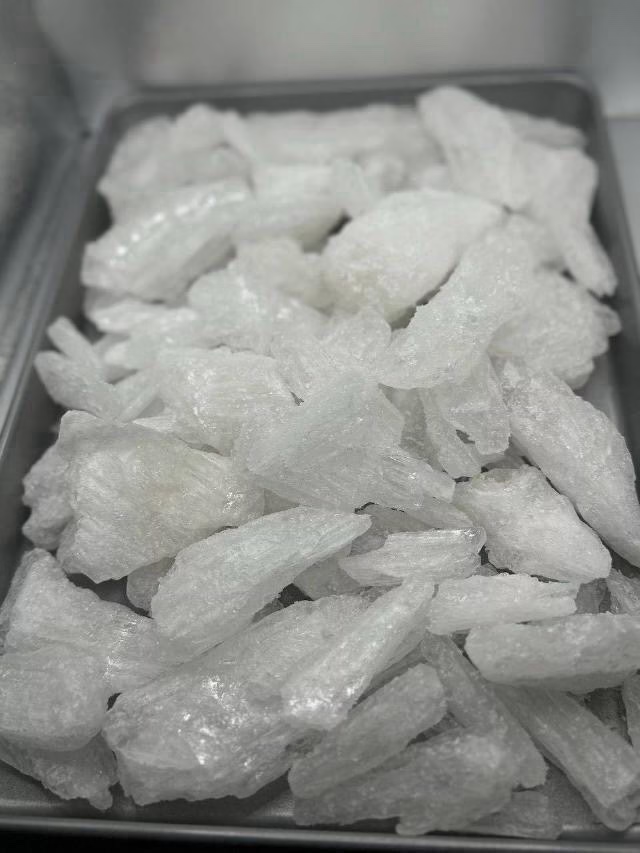
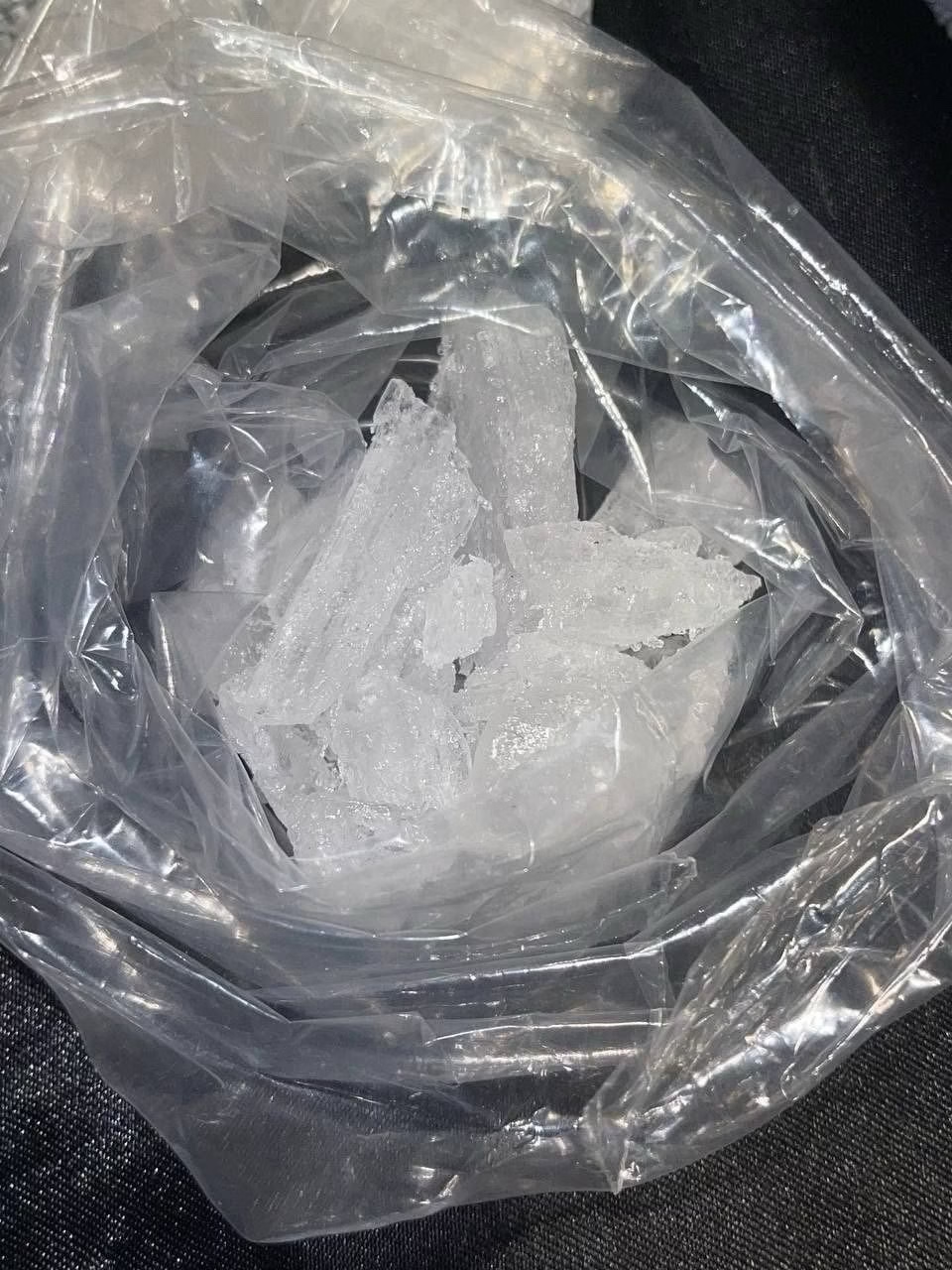
It may appear as:
Crystal-like fragments
Glassy shards
White or bluish rocks
Powdered crystalline material
Because illicit methamphetamine is produced outside any regulated system, its color, purity, texture, and potency can vary widely.
How Methamphetamine Affects the Brain
Methamphetamine dramatically increases the release of dopamine, norepinephrine, and serotonin in the brain. This surge can lead to intense stimulation, wakefulness, increased energy, and reduced appetite.
Over time, repeated overstimulation of these pathways may contribute to:
Addiction and dependence
Mood instability
Memory problems
Cognitive decline
Emotional dysregulation
Long-term use may also affect judgment, impulse control, and emotional processing.
What Crystal Meth Looks Like
One of the most common searches is what does crystal meth look like. Crystal meth often appears as clear or translucent shards, bluish or white crystals, or chunky glass-like pieces. In some cases, it may also look yellowish, cloudy, chalky, or oily depending on impurities.
Appearance alone cannot determine:
Purity
Strength
Safety
Contamination level
Public health agencies warn that illicit stimulant products may contain unknown chemicals or dangerous adulterants.
Short-Term Effects of Methamphetamine
Methamphetamine can produce rapid stimulant effects that may last much longer than cocaine or MDMA.
Common short term effects include:
Increased energy and wakefulness
Reduced fatigue
Elevated confidence
Faster speech and movement
Decreased appetite
Physical effects may include:
Increased heart rate
Elevated blood pressure
Sweating and overheating
Jaw clenching
Tremors
Psychological effects may include:
Anxiety
Panic
Agitation
Restlessness
Irritability
At higher doses, methamphetamine may increase the risk of hallucinations, delusions, aggression, and paranoia.
Long-Term Health Risks
Chronic methamphetamine exposure has been linked to serious physical and mental health consequences.
Long-term health risks may include:
Severe insomnia
Weight loss and malnutrition
Dental deterioration
Skin picking and lesions
Cardiovascular damage
Increased stroke risk
Neurological and mental health effects may include:
Memory impairment
Anxiety disorders
Depression
Methamphetamine-induced psychosis
Emotional instability
Cognitive dysfunction
Some effects can continue long after stimulant use stops.
Addiction and Dependence
Methamphetamine has one of the highest addiction potentials among stimulant drugs. Repeated use may quickly lead to tolerance, compulsive redosing, psychological dependence, and withdrawal symptoms.
Signs of methamphetamine addiction may include:
Severe sleep disruption
Extreme mood swings
Obsessive behavior
Social withdrawal
Neglect of responsibilities
Continued use despite harm
Withdrawal symptoms may include:
Fatigue
Depression
Anxiety
Intense cravings
Sleep disturbances
Methamphetamine vs Cocaine vs MDMA
People often compare methamphetamine with other stimulants. Methamphetamine generally lasts much longer than cocaine, which tends to produce shorter but intense stimulation. Compared with MDMA, methamphetamine is more strongly linked to prolonged stimulation, compulsive redosing, chronic psychosis, and severe dependence.
Public Health Concerns
Illicit stimulant drugs carry additional risks because of:
Unknown purity
Unregulated manufacturing
Toxic chemical residues
Cross-contamination with other substances
Some regions have reported fentanyl contamination in illicit stimulant markets, which can increase overdose risk significantly.
Methamphetamine Overdose Symptoms
Emergency warning signs may include:
Chest pain
Difficulty breathing
High body temperature
Seizures
Severe confusion
Loss of consciousness
If overdose is suspected, emergency medical care is critical.
Why Educational Drug Information Matters
Search engines increasingly reward trustworthy, readable, structured health content. Tegrity Pharma focuses on providing accurate educational resources that support substance identification awareness, harm-reduction understanding, and public-health literacy.
Readers searching for crystal meth side effects, what is the ice drug, methamphetamine risks, or how addictive is methamphetamine should have access to reliable information rather than misinformation.
Frequently Asked Questions
Is crystal methamphetamine addictive?
Yes. Methamphetamine carries a high risk of addiction and compulsive use.
Why is meth called “ice”?
The nickname comes from its crystal-like appearance.
Can methamphetamine cause psychosis?
Yes. Long-term or high-dose use may contribute to paranoia, hallucinations, and stimulant-induced psychosis.
What are the dangers of methamphetamine?
Dangers include addiction, cardiovascular damage, overheating, mental health complications, and overdose.
How long do methamphetamine effects last?
Effects may last several hours and sometimes much longer depending on dose and route of exposure.
Final Thoughts
Crystal methamphetamine is a highly potent stimulant associated with serious short-term and long-term health risks. Understanding what methamphetamine is, how it affects the brain and body, the dangers of illicit use, and the signs of addiction and overdose can support better awareness and safer decision-making.
At Tegrity Pharma, our goal is to help readers access reliable, evidence-based information in a clear and responsible way.




Reviews
There are no reviews yet.