


Opioid Analgesics for Chronic and Acute Pain: Medical Overview, Uses, Types, and Trusted Treatment Options
Pain is one of the most common medical complaints worldwide and a leading cause of reduced quality of life. It can arise suddenly due to injury or surgery, or persist for months or years as part of a chronic condition. Effective pain management is therefore a cornerstone of modern healthcare. Clinicians rely on a structured range of treatments that include lifestyle interventions, physical therapy, non opioid analgesics, and when medically appropriate opioid analgesics.
This comprehensive educational guide from Tegrity Pharma explores opioid analgesics in detail, including how they work, when they are used, the different types available, real-world pill identification, dosage strengths, and how opioid therapy compares with nonopioid pain relief options. The emphasis throughout is on medical understanding, safety, and informed decision-making.
What Are Opioid Analgesics?
 Opioid analgesics are prescription medications used to treat moderate to severe pain by interacting with opioid receptors located in the brain, spinal cord, and peripheral nervous system. These receptors are involved in transmitting and regulating pain signals. When activated, opioid analgesics reduce the intensity of pain and alter how the brain perceives discomfort.
In clinical and regulatory settings, opioid analgesics may also be referred to as:
Narcotics analgesics
Opiate analgesic medications (a traditional term often used interchangeably)
Because of their potency and effect on the central nervous system, opioid analgesics are typically prescribed only when nonopioids or other conservative therapies fail to provide adequate relief.
What Are Opioid Analgesics Used For?
People searching for where to buy Pain P Opioid analgesics are used in carefully selected situations where pain is severe, persistent, or disabling. They are not intended for routine aches and pains, but rather for conditions where pain significantly interferes with daily functioning or recovery.
Common Medical Uses of Opioid Analgesics
Acute post surgical pain following procedures such as orthopedic or abdominal surgery
Severe traumatic injuries, including fractures or soft-tissue damage
Cancer-related pain and palliative care
Advanced chronic pain conditions that do not respond to non opioid analgesics
Breakthrough pain in patients already receiving long-term pain treatment
At Tegrity Pharma, educational resources focus on explaining why and when opioid analgesics are prescribed, helping patients understand their role within a broader pain management plan.
How Opioid Analgesics Work in the Body
Opioid analgesics exert their effects by binding to specific opioid receptors primarily mu-opioid receptors in the central nervous system. Once these receptors are activated, several physiological effects occur:
Pain signal transmission from the body to the brain is reduced
The emotional response to pain is altered
Pain tolerance increases, making discomfort more manageable
This central mechanism distinguishes opioid analgesics from non opioid analgesics, which typically reduce pain by decreasing inflammation or acting locally at the site of injury.
Types of Opioid Analgesics Used in Medical Practice
Opioid analgesics are broadly categorized based on how quickly they act and how long their effects last. Understanding these differences is essential for safe and effective pain management.
Short-Acting Opioid Analgesics for Acute Pain
Short-acting opioid analgesics are commonly prescribed for acute pain, particularly when pain is expected to improve over time. These medications provide relatively rapid relief but must be taken multiple times per day.
Common Short-Acting Opioid Medications
Percocet 5/325, a combination of oxycodone and acetaminophen
Higher-strength combinations such as oxycodone acetaminophen 10 325 tb, used for more intense pain
Norco M367, a hydrocodone-acetaminophen product widely prescribed for moderate to severe pain
Tablets identified by imprint codes such as pill A 215, which are often searched for verification purposes
These medications are classified as narcotics analgesics and are typically prescribed for short durations to minimize risk.
Long Acting Opioids for Chronic Pain Management
Long acting opioids are formulated to release medication slowly over an extended period, providing continuous pain control. These are generally reserved for patients with chronic pain conditions who require around the clock relief.
Examples of Long Acting and High-Dose Opioids
OC 40 pill, an extended release oxycodone formulation used for persistent pain
White M 30 oxycodone, a high strength immediate-release tablet often prescribed in severe pain scenarios
Tablets commonly identified as RP 30s pill, associated with oxycodone 30 mg strengths
Long acting opioids require careful dose titration, monitoring, and regular reassessment by healthcare professionals.
Pill Identification Hub: Understanding Opioid Analgesics by Appearance
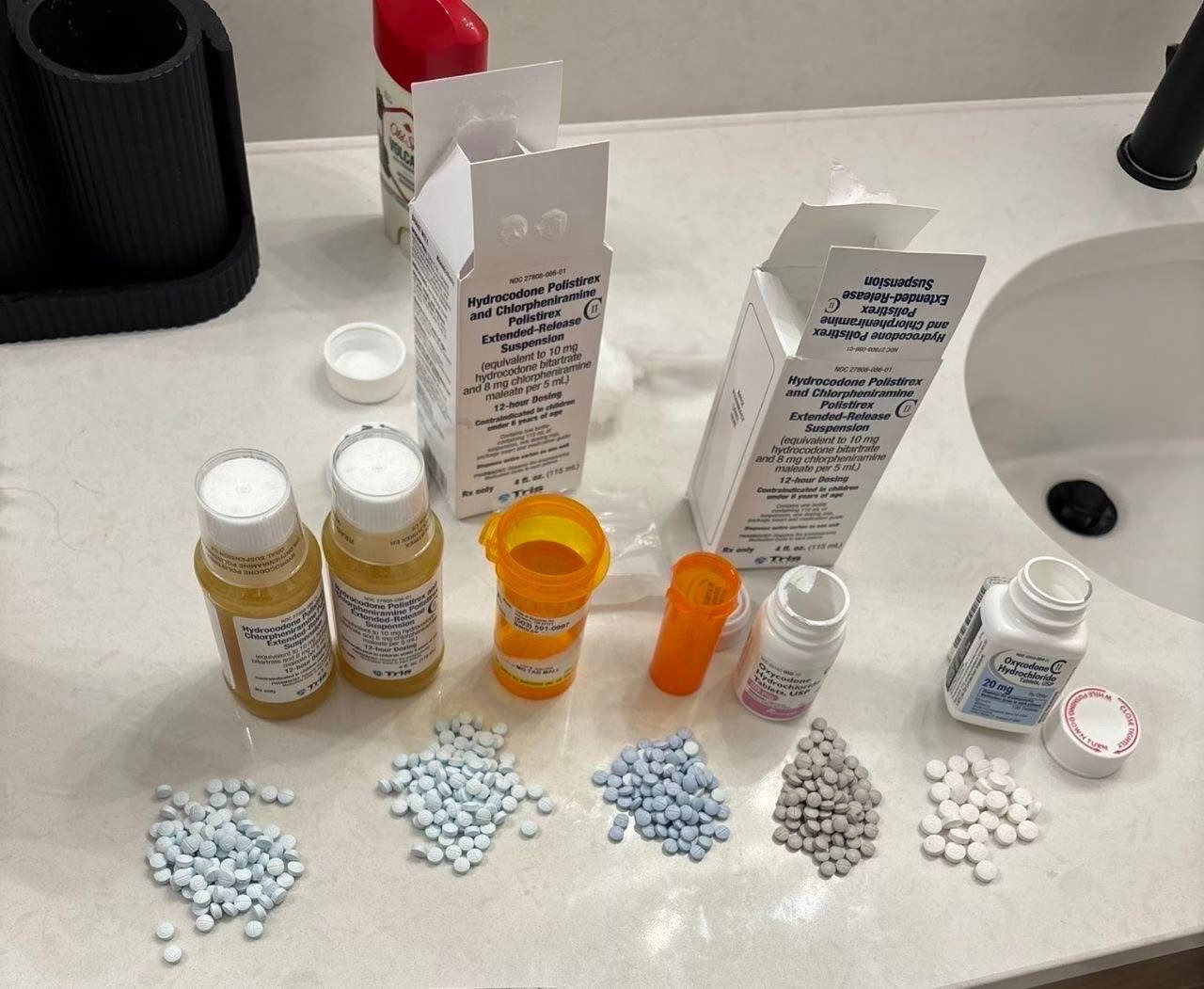
Many patients do not remember medication names but recognize pills by color, shape, or imprint code. This has made pill identification one of the most common pain-related search behaviors. Tegrity Pharma provides this information strictly for education, awareness, and safety.
Common Oxycodone Pill Identifiers
| Pill Name / Identifier | Color & Shape | Medical Use |
|---|---|---|
| White M 30 oxycodone | White, round | Severe pain |
| RP 30s pill | White, round | Immediate release oxycodone IR |
| Round blue pill K9 | Blue, round | Oxycodone formulation |
| K 9 blue round pill | Blue, round | Pain management |
| Pink oxycodone | Pink, round | Varies by strength |
| K 56 pink pill | Pink | Oxycodone-based medication |
| Pink Percocet | Pink | Oxycodone + acetaminophen |
White M 30 Oxycodone
Imprint: M 30
Color: White
Strength: 30 mg
Clinical Use: Severe acute pain or breakthrough pain
This tablet is frequently searched due to its high strength and widespread clinical use.
RP 30s Pill
Imprint: RP 30
Medication: Oxycodone hydrochloride
Form: Immediate-release
Use: Severe pain requiring opioid therapy
Round Blue Pill K9 / K 9 Blue Round Pill
Imprint: K9
Color: Blue
Strength: Oxycodone 30 mg
Use: Short-acting pain relief
The distinctive blue color makes this one of the most commonly identified oxycodone tablets.
Pink Oxycodone and Percocet Identification
Pink Oxycodone
The term pink oxycodone is often used in searches describing pill appearance rather than formulation. Color differences may indicate manufacturer or dosage variations.
Pink Percocet
Generic Name: Oxycodone with acetaminophen
Typical Strength: Percocet 5/325
Use: Moderate pain following injury or surgery
K 56 Pink Pill
Imprint: K56
Category: Opioid analgesic combination
Use: Short-term pain management
Tegrity Pharma stresses that imprint codes and dosage strength are essential for accurate identification.
Hydrocodone Combination Pill Identification
| Pill Marking | Medication | Common Use |
|---|---|---|
| Norco M367 | Hydrocodone/acetaminophen | Acute pain |
| Pill A 215 | Hydrocodone combination | Injury or post-op pain |
Norco M367
Imprint: M367
Generic Name: Hydrocodone acetaminophen
Use: Moderate to severe pain
Pill A 215
Imprint: A 215
Category: Hydrocodone combination product
Use: Acute pain relief
Hydrocodone-based medications are among the most widely prescribed opiate analgesics in acute care.
Tapentadol and Alternative Opioid Analgesics
Aspadol 100 mg / Aspadol 100mg Tablet
Generic Name: Tapentadol
Class: Opioid analgesic with dual mechanism
Medical Use: Moderate to severe pain, including neuropathic pain
Tapentadol differs from traditional opioids by also affecting norepinephrine reuptake, which can enhance pain control in certain patients.
Why Pill Identification Matters in Pain Management
Medication identification is one of the most searched pain management topics online. Patients often recognize tablets by color, imprint, or shape rather than by name. This pill identification hub from Tegrity Pharma is designed to help users understand commonly identified opioid analgesics, their generic names, strengths, and medical uses strictly for education and safety.
Correct pill identification helps:
Prevent medication errors
Avoid accidental misuse or duplication
Confirm correct dosage and formulation
Improve patient-provider communication
Searches for opioid analgesics often include physical descriptors such as round blue pill, pink oxycodone, or imprint codes like M30 Oxy, K9 Pill, or M367 Percs. These identifiers are essential tools in responsible pain treatment.
Opioid Analgesics vs Non Opioid Analgesics
Key Differences Explained Simply
| Category | Opioid Analgesics | Non Opioid Analgesics |
|---|---|---|
| Pain Severity | Moderate to severe | Mild to moderate |
| Dependency Risk | Yes | No |
| Prescription Required | Yes | Some OTC |
| Examples | Oxycodone, Hydrocodone, Tapentadol | Acetaminophen, NSAIDs |
| Muscle Pain | Sometimes | Often best option |
Understanding Non Opioid Analgesics
 Non opioid analgesics are pain relief medications that do not interact with opioid receptors. They are often recommended as first-line therapy.
Common Nonopioids
Acetaminophen
NSAIDs such as ibuprofen and naproxen
Topical analgesics
These options are widely used for mild to moderate pain.
What Is the Best OTC Analgesic?
The best OTC analgesic depends on the type and source of pain:
Acetaminophen is commonly used for general pain relief
NSAIDs are often considered the best analgesic for muscle pain due to their anti-inflammatory effects
OTC medications are frequently effective without the risks associated with opioid therapy.
Safety, Dependence, and Responsible Use of Opioid Analgesics
While opioid analgesics can provide meaningful pain relief, they also carry risks such as:
Tolerance over time
Physical dependence
Side effects including constipation, nausea, and drowsiness
For this reason, modern pain management emphasizes education, individualized treatment plans, and regular monitoring.
Trusted Pain Education from Tegrity Pharma
Tegrity Pharma is dedicated to providing clear, medically accurate information about:
Opioid analgesics and long acting opioids
Non opioid analgesics and nonopioids
Pill identification and dosage awareness
Safe, responsible pain management
Many searches involving pill names or appearances are information-driven, highlighting the need for reliable educational resources.
Navigating Trusted Pain Treatment Options
Patients searching for reliable pain relief solutions often want transparency, medical credibility, and guidance. Trusted pain treatment pathways prioritize:
Evidence based prescribing
Clear patient education
Balanced use of opioid and non opioid analgesics
Compliance with medical and regulatory standards
People Also Ask
Which analgesic is best for muscle pain?
For most people, the best analgesic for muscle pain is a non opioid option such as NSAIDs, which help reduce inflammation and swelling. Opioid analgesics are usually reserved for severe muscle injuries when other treatments are ineffective.
What is the best OTC analgesic?
The best OTC analgesic depends on the type of pain. Acetaminophen is often used for general pain relief, while NSAIDs are commonly preferred for muscle and joint pain due to their anti-inflammatory properties.
What are non opioid analgesics?
Non opioid analgesics are pain relief medications that do not act on opioid receptors. These include acetaminophen, NSAIDs, topical analgesics, and certain non narcotic analgesic medications used for mild to moderate pain.
What are nonopioids used for?
Nonopioids are used to treat mild to moderate pain, inflammation, headaches, muscle pain, and joint pain, often as first tine treatment before considering opioid analgesics.
Whether managing acute pain or long term conditions, informed decision making is essential.
Final Thoughts
Opioid analgesics remain an important tool in modern medicine when used responsibly, selectively, and under professional guidance. Understanding medication types, pill identifiers, and alternatives empowers patients to engage in safer pain management decisions.
For continued education on opioid analgesics, nonopioids, and responsible pain treatment, explore more resources at Tegrity Pharma.
pill a 215
norco m367
rp 30s pill
buy oxycontin 80mg
percocet pills for sale
oxycodone acetaminophen 10 325 tb
buy norco online
k 56 pink pill
buy oxycodone online
round blue pill k9
pink oxycodone
k 9 blue round pill
percocet 5 325
white m 30 oxycodone
buy oxycontin online
aspadol 100 mg
pink oxycodone
Pink Percocet
aspadol 100mg tablet
buy martin dow valium
oc 40 pill
buy martin dow valium
Frequently Asked Questions (FAQ) About Opioid Analgesics
What are opioid analgesics?
Answer:
Opioid analgesics are prescription medications used to treat moderate to severe pain. They work by binding to opioid receptors in the brain and spinal cord, which reduces how pain is perceived and increases pain tolerance. Examples include oxycodone, hydrocodone, and tapentadol. Unlike non opioid analgesics, they can carry a risk of dependence and should be used under medical supervision.
What is the difference between opioids and non opioid analgesics?
Answer:
The key difference is in how they relieve pain.
Opioid analgesics act on the central nervous system, modifying the perception of pain. They are effective for severe pain but may cause tolerance, dependence, and sedation.
Non opioid analgesics such as acetaminophen, NSAIDs, and topical pain relievers work by reducing inflammation or blocking pain locally, making them safer for mild to moderate pain and everyday use.
When are long acting opioids prescribed?
Answer:
Long acting opioids are generally prescribed for chronic pain that requires continuous, around-the-clock management, such as in cancer pain or persistent musculoskeletal conditions. Unlike short-acting opioids, they provide steady pain control over many hours and are not intended for immediate or breakthrough pain.
What are the risks of opioid analgesics?
Answer:
Opioid analgesics can be highly effective, but they come with potential risks:
Tolerance (needing higher doses for the same effect)
Physical dependence and withdrawal symptoms
Sedation, nausea, constipation
Respiratory depression in high doses or in combination with other sedating medications
Responsible use under medical supervision, combined with non opioid analgesics when possible, helps minimize these risks.
How can I identify different opioid pills safely?
Answer:
Pills are often identified by color, shape, and imprint code. For example:
White M 30 oxycodone (round, white, imprint M30)
Round blue pill K9 (oxycodone, blue, round)
Norco M367 (hydrocodone/acetaminophen, white, imprint M367)
K 56 pink pill (oxycodone combination, pink, round)
Always confirm medication identity with a healthcare professional or pharmacist. Tegrity Pharma provides pill identification for educational purposes only.
Can I use non opioid analgesics for muscle pain?
Answer:
Yes. NSAIDs such as ibuprofen or naproxen are often considered the best analgesic for muscle pain due to their anti-inflammatory properties. Acetaminophen can be used for general pain relief but does not reduce inflammation.
Are short acting opioids and long-acting opioids the same?
Answer:
No.
Short-acting opioids provide rapid pain relief for acute pain or breakthrough episodes. Examples include Percocet 5/325 or oxycodone acetaminophen 10/325 tb.
Long-acting opioids are formulated for chronic, continuous pain management, such as OC 40 extended-release tablets.
Using the wrong type can lead to ineffective pain control or increased side effects.
Can opioids and benzodiazepines be taken together?
Answer:
Combining opioids with benzodiazepines, such as Martin Dow Valium, can increase the risk of respiratory depression and sedation. This combination should only be considered under strict medical supervision.
How do I safely transition from opioids to nonopioid analgesics?
Answer:
Transitioning requires a stepwise approach:
Gradually reduce opioid dose under supervision
Introduce non opioid analgesics like acetaminophen or NSAIDs for residual pain
Incorporate non-drug strategies, including physical therapy and lifestyle modifications
Tegrity Pharma emphasizes education and gradual tapering to reduce dependence and withdrawal risks.
Where can I learn more about specific pills and dosages?
Answer:
Tegrity Pharma provides detailed, educational resources on opioid analgesics, long-acting opioids, and pill identification. You can explore our Pill Identification Hub for safe, medically accurate information on pills like white M 30 oxycodone, pink Percocet, RP 30s pill, K 9 blue round pill, and Norco M367.