



Buy Real K57 20mg Oxycodone Hydrochloride
Tegrity Pharma provides this comprehensive, safety-first informational profile of the K57 20mg tablet of oxycodone hydrochloride. This page helps patients, caregivers, and healthcare professionals identify the K57 Pill, understand its clinical role, recognize risks and side effects, and access trusted patient and professional resources. This content is educational and does not facilitate purchase, distribution, or medical advice.
Product Snapshot
Primary search phrases: K57 20mg; Oxycodone hydrochloride 20mg; K 57 Pill
Formulation context: Immediate release or extended-release formulations may exist; confirm formulation and strength with a licensed pharmacist.
Purpose of this page: Pill identification, clinical context, safety guidance, and links to patient and professional resources provided by Tegrity Pharma.
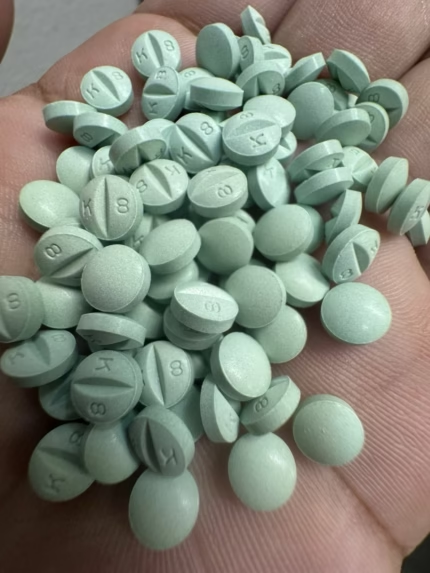
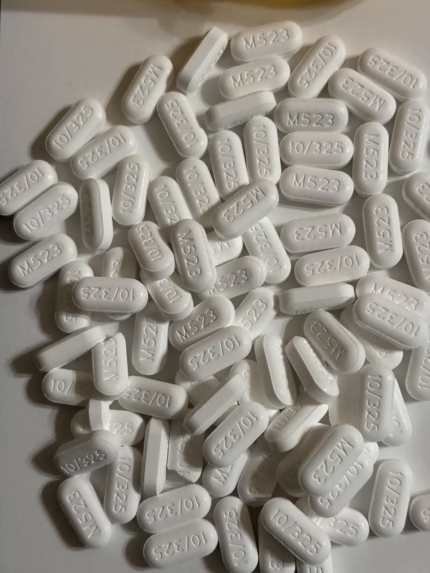
Quick K57 20mg Pill Identification Guide
Imprint: K57
Strength: 20 mg
Active ingredient: Oxycodone hydrochloride
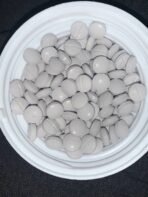
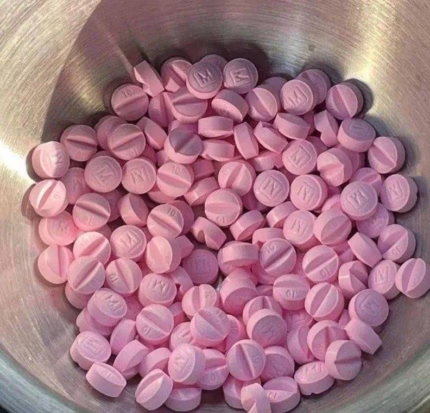
Typical appearance: Tablet color and shape vary by manufacturer; K57 imprint serves as primary identifier but requires pharmacist confirmation for strength and formulation.
Why accurate identification matters
Prevent accidental misuse of different strengths or formulations
Detect counterfeit or substituted pills containing unknown dangerous substances
Ensure correct clinical decisions by prescribers, pharmacists, and patients
How Tegrity Pharma helps
Detailed informational pill descriptions and verification checklists
Guidance directing users to licensed pharmacists for definitive identification
Educational resources covering safe handling, storage, and proper disposal
K57 Pill Clinical Profile and Intended Use
Mechanism of action
Oxycodone hydrochloride binds to mu-opioid receptors in the central nervous system reducing pain perception and increasing pain tolerance through opioid receptor agonism.
Indications
Moderate to severe acute pain requiring short-term opioid therapy when non-opioid alternatives prove inadequate
Chronic non-cancer pain in carefully selected patients unresponsive to alternative therapies requiring continuous opioid management
Breakthrough cancer pain management in opioid-tolerant patients
Formulation differences
Immediate-release oxycodone (potential K57 formulation) provides rapid onset for acute breakthrough pain requiring more frequent scheduled dosing
Extended-release formulations designed specifically for around-the-clock chronic pain control explicitly not intended for as-needed PRN use
Critical: Confirm whether K57 tablet represents immediate-release versus extended-release formulation through pharmacist consultation or prescriber verification before any administration
Safety Profile and Common Side Effects
Common side effects
Drowsiness, sedation, and psychomotor impairment affecting concentration and reaction times
Constipation and gastrointestinal discomfort requiring proactive bowel regimen management
Nausea, vomiting, dizziness, and headache particularly during initial titration phases
Serious risks requiring immediate medical attention
Respiratory depression representing life-threatening risk particularly at higher doses or when combined with CNS depressants including alcohol, benzodiazepines, or sedatives
Physical dependence, tolerance, and addiction potential developing with prolonged continuous use beyond clinically justified durations
Overdose toxicity risk dramatically increases if tablets crushed, chewed, dissolved, or combined inappropriately with other respiratory depressants
Tegrity Pharma safety emphasis
Explicit warnings prohibiting tablet crushing, chewing, or altering unless prescriber provides specific written authorization
Comprehensive guidance recognizing hallmark overdose symptoms including respiratory depression and emergency response protocols
Information regarding naloxone availability as opioid overdose reversal agent with instructions for clinician discussions
Interactions and Contraindications
Notable drug interactions
Benzodiazepines (Xanax 2mg, Klonopin 1mg, Ativan 2mg) and other sedatives synergistically amplify respiratory depression risks dramatically
Alcohol consumption potentiates opioid central nervous system depression exponentially increasing overdose lethality
Monoamine oxidase inhibitors (MAOIs), certain antidepressants, and antipsychotics require careful monitoring due to serotonin syndrome potential
Absolute contraindications
Known hypersensitivity reactions to oxycodone hydrochloride or formulation excipients
Severe respiratory depression or acute bronchial asthma occurring in unmonitored settings
Paralytic ileus or suspected gastrointestinal obstruction
Use with extreme caution
Patients experiencing head injury, increased intracranial pressure, or altered mental status
Severe hepatic impairment compromising drug metabolism significantly
Documented substance use disorder history or concurrent alcohol dependence
20 mg Oxycodone Safe Use Guidelines
Follow prescriber instructions exactly
Administer tablets whole exactly as prescribed; never crush, chew, dissolve, or alter controlled-release formulations unless explicitly authorized
Maintain precise scheduled dosing intervals avoiding arbitrary dose escalations or shortening intervals
Missed dose protocol: Resume regular schedule immediately; never double subsequent dose attempting to compensate
Storage and security requirements
Store in locked containers positioned completely out of reach from children, pets, and unauthorized visitors
Avoid storage in shared living spaces, bedrooms, or visible household areas accessible easily
Travel requirements: Original prescription bottle required matching government identification exactly
Proper disposal methods
Participate in authorized DEA medication take-back programs available through local law enforcement and pharmacies
Follow local pharmacy guidance for safe disposal methods when take-back programs prove unavailable
Flush only in life-threatening emergency situations following explicit pharmacist instructions
When to seek emergency medical help immediately
Overdose signs: Slowed/stopped breathing, extreme unarousable drowsiness, inability to awaken, pinpoint pupils, cold/clammy skin
Allergic reactions: Facial swelling, difficulty breathing/swallowing, extensive rash or hives
Serious adverse effects: Severe abdominal pain, persistent vomiting, confusion, hallucinations, seizure activity
Alternatives and Multimodal Pain Management Strategies
Non opioid pharmacologic alternatives
NSAIDs (ibuprofen 800mg, naproxen 500mg) effectively manage inflammatory musculoskeletal pain conditions
Acetaminophen 1000mg manages mild-moderate nociceptive pain safely within daily maximum limits
Adjuvant medications including gabapentinoids, SNRIs (duloxetine), and tricyclic antidepressants specifically treat neuropathic pain components
Evidence-based non-pharmacologic interventions
Physical therapy incorporating therapeutic exercise, manual therapy, and modality interventions
Cognitive behavioral therapy specifically targeting chronic pain coping strategies and catastrophizing patterns
Interventional procedures including epidural steroid injections, medial branch blocks, radiofrequency ablation for facet-mediated pain
Lifestyle optimization emphasizing sleep hygiene, balanced nutrition, stress reduction techniques, paced activity scheduling
Comprehensive multimodal pain management philosophy
Strategic combinations of pharmacologic, interventional, rehabilitative, and psychological therapies frequently reduce total opioid analgesic requirements significantly while improving measurable functional outcomes objectively.
Patient Resources Available Exclusively on Tegrity Pharma
Comprehensive oxycodone drug education
Plain language patient summaries explaining precise opioid pharmacology, expected therapeutic effects, duration profiles, and essential safety precautions
Downloadable verification checklists confirming prescription authenticity, safe storage protocols, and proper disposal procedures
Step-by-step instructional guides addressing missed doses, adverse effect management, and prescriber communication strategies
Support services and counseling resources
Direct access information facilitating pharmacist consultations, multidisciplinary pain management programs, behavioral health referrals
Naloxone education programs including local pharmacy availability, proper administration techniques, emergency response integration
Prescription assistance program navigation supporting uninsured patients accessing necessary pharmacotherapy
Practical clinical tools and resources
Visual pill identification guides and comprehensive imprint verification checklists (strictly informational purposes)
Printable comprehensive medication administration logs tracking precise dosing schedules, side effect monitoring, therapeutic response assessment
Nationwide DEA-authorized take-back program locators plus detailed safe disposal instructional materials
Professional Resources Curated by Tegrity Pharma
Authoritative clinical and regulatory references
Detailed oxycodone pharmacology monographs guiding prescribers and pharmacists through precise receptor binding kinetics, metabolism pathways, excretion profiles
FDA regulatory resources comprehensively addressing genuine versus counterfeit oxycodone formulations, tamper-resistant technologies, abuse-deterrent properties
Evidence-based clinical decision support algorithms facilitating opioid tolerance assessment, equianalgesic dose calculations, structured tapering protocols
Opioid stewardship best practice guidance
Comprehensive risk stratification frameworks guiding appropriate opioid candidate selection objectively
Systematic monitoring protocols incorporating urine drug screening, Prescription Drug Monitoring Program integration, validated functional outcome assessments
Universal precautions approach implementing standardized risk assessment, informed consent documentation, treatment agreement establishment
Other Brands and Related Oxycodone Products Featured in Tegrity Pharma Resources
Additional legitimate oxycodone brand formulations
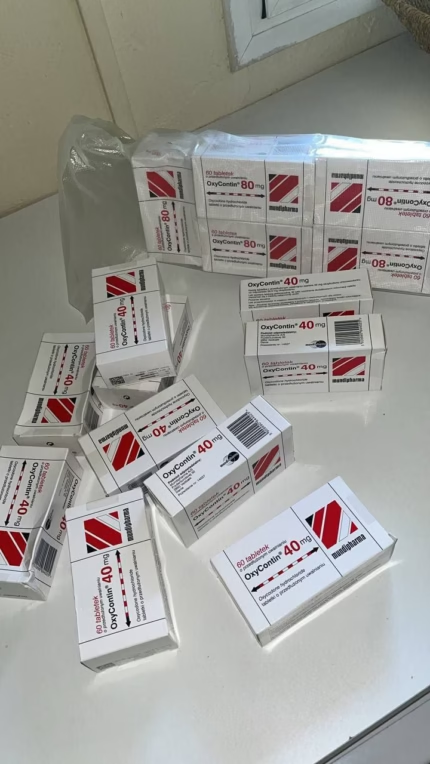
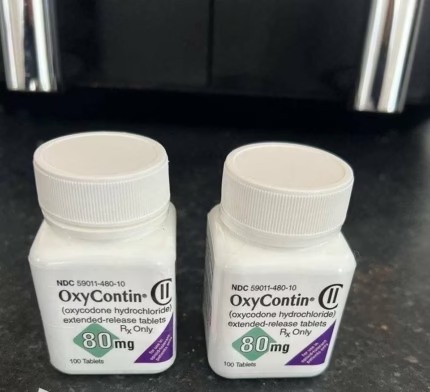
OxyContin (controlled-release oxycodone innovator product)
Roxicodone (immediate-release oxycodone tablets)
Xtampza ER (abuse-deterrent microsphere extended-release capsules)
RoxyBond (immediate-release abuse-deterrent tablet formulation)
Oxaydo (immediate-release tablet with physical barrier technology)
Related Tegrity Pharma comprehensive treatment guides
20 mg oxycodone for chronic pain management – Evidence-based long-term strategies integrating medication optimization, rehabilitation protocols, psychosocial interventions
Oxycodone 20mg for back pain – Stepwise conservative through interventional treatment algorithms emphasizing functional restoration, risk mitigation
Comprehensive pain management resources – Complete pain assessment methodologies, multimodal therapy optimization, safe medication stewardship practices
Frequently Asked Questions
What does K57 mean on an oxycodone pill?
K57 imprint identifies specific oxycodone hydrochloride tablets manufactured under legitimate pharmaceutical standards. Imprint verification represents essential first step confirming identity though pharmacists provide definitive strength and formulation confirmation required clinically.
Is K57 20mg equivalent to oxycodone hydrochloride 20mg?
K57 20mg specifically references oxycodone hydrochloride tablets containing 20mg active opioid ingredient precisely. Pharmacist verification remains mandatory confirming exact formulation type, strength equivalence, and manufacturing authenticity before clinical administration.
Can patients safely split or crush K57 oxycodone tablets?
Patients must never split, crush, chew, or dissolve K57 tablets unless prescriber provides explicit written authorization accompanied by comprehensive risk counseling documentation. Altering tablet integrity risks immediate overdose toxicity through rapid complete dose release compromising patient safety dramatically.
How long does therapeutic effect last from 20mg oxycodone dose?
Duration varies significantly based upon immediate-release versus extended-release formulation, individual patient metabolism rates, concomitant medication interactions, and specific clinical pain pathophysiology factors. Immediate-release formulations typically provide 4-6 hours analgesia while extended-release products target 12-hour dosing intervals specifically.
What immediate actions required suspecting counterfeit K57 medication?
Immediately discontinue suspected counterfeit pill administration preserving complete packaging and tablets intact. Contact licensed pharmacist or prescriber immediately facilitating comprehensive authenticity verification, appropriate disposition guidance, and legitimate replacement prescription processing through authorized channels exclusively.
Tegrity Pharma Patient Education Checklist
Confirm pill imprint matches prescription documentation exactly
Understand precise dosing schedule and established missed dose protocols comprehensively
Recognize hallmark overdose symptoms triggering emergency medical response immediately
Implement secure locked storage preventing unauthorized access completely
Plan authorized medication disposal utilizing DEA take-back programs appropriately
Discuss comprehensive tapering strategy with prescriber anticipating long-term opioid therapy
How to Use This Tegrity Pharma Information Resource Effectively
This comprehensive resource page specifically equips patients and caregivers preparing informed conversations with prescribing clinicians, consulting pharmacists, and multidisciplinary pain specialists professionally. Utilize detailed pill identification protocols confirming medication authenticity accurately, understand precise clinical pharmacology applications through opioid receptor mechanisms explained thoroughly, and master essential safety practices spanning storage, administration, disposal comprehensively.
Tegrity Pharma categorically emphasizes this resource constitutes strictly educational information never serving as medical advice, therapeutic diagnosis, or treatment recommendation substitute. Controlled Schedule II substances including oxycodone hydrochloride mandate valid prescriptions supervised by qualified healthcare professionals exclusively.
Legal and Safety Notice
Tegrity Pharma publishes exclusively informational content never constituting medical advice, clinical diagnosis recommendations, or therapeutic treatment prescriptions under any circumstances. DEA Schedule II controlled substances including oxycodone hydrochloride require valid prescriptions issued through licensed healthcare providers alongside appropriate medical supervision continuously.
Contact licensed healthcare professionals or consulting pharmacists immediately addressing legitimate medication questions, prescription clarification needs, or clinical concerns appropriately through established professional medical channels exclusively.
Closing Summary
K57 20mg oxycodone hydrochloride tablets demand meticulous identification verification, informed clinical application protocols, and unwavering adherence toward established pharmaceutical safety standards rigorously. Tegrity Pharma delivers comprehensive patient-centric resources supporting precise pill identification accuracy, multimodal pain management strategies objectively, and responsible opioid stewardship practices professionally.
Leverage these authoritative resources guiding productive conversations with prescribing clinicians confidently while making informed, safety prioritized decisions optimizing chronic pain treatment outcomes effectively through evidence-based multidisciplinary approaches exclusively.

Reviews
There are no reviews yet.